
Here’s the thing: the white, dusty look on grapes is grape bloom. It’s a thin, natural wax that grapes make on their own. It keeps water in, makes it harder for germs to stick, and even helps with sun and scuffs. It’s safe to eat. Rinse the fruit and enjoy.
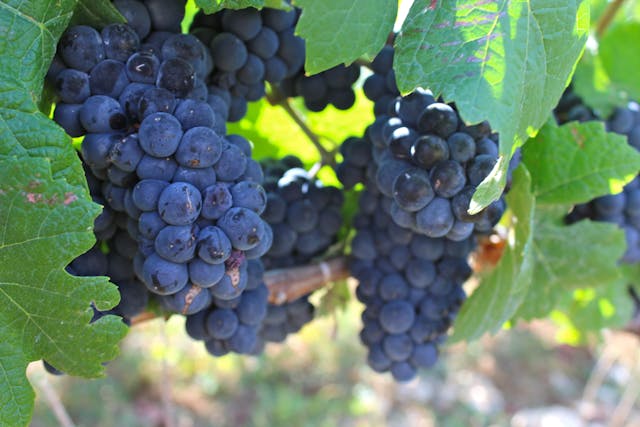
What is that white coating, exactly?
Let’s break it down. Grapes grow a fine, pale film on the skin. You can see it best on dark grapes. The film is epicuticular wax, also called grape bloom. It is part of the fruit. Not a spray. Not mold. Not dust from the box. You’ll see the same kind of bloom on blueberries and plums. The look is a soft haze. Touch it and it may smudge. That is normal.
Inside that wax are natural plant compounds. They repel water and create a slick surface. The skin stays protected. The grape stays juicy longer. That is why fresh grapes often look a bit “frosted” when you buy them.
Is it safe to eat?
Yes. The bloom is safe. You can eat it without worry. A quick rinse under cool water is enough. You do not need soap. You do not need special cleaners. If you prefer, rub the grapes gently with your hands while rinsing. That lifts loose dust and any field debris. Then drain well and you are good to go.
If you ever see fuzzy patches, off smells, or a slimy feel, that is spoilage, not bloom. Toss those grapes. Bloom is an even film. Spoilage is patchy and often looks hairy or wet.
How grape bloom protects the fruit
What this really means is that grapes come with built-in armor. That thin wax does a lot:
- Locks in moisture
The wax slows water loss from the skin. Less evaporation means the grapes stay firm and crisp. - Makes it harder for microbes to stick
Many spoilage microbes have trouble gripping a waxy surface. The fruit resists early decay. - Soft shields from sun and heat
The pale haze scatters light. That helps the skins handle hot, bright days better. - Limits scuffs during travel
The slick layer reduces tiny abrasions when bunches rub together. Fewer scuffs, fewer entry points for rot. - Signals freshness
Heavy bloom often means the fruit was handled less. Less handling can point to better shelf life.
All of this adds up to longer freshness from farm to fridge. It’s nature’s quality control.
Is the white film pesticide residue?
Almost always, no. Pesticide residues tend to be spotty, sticky, or hard to rub away. Bloom looks even and wipes off with a gentle touch. Still, rinsing is a smart habit for all produce. A good rinse removes field dust and loose residue. If you want more peace of mind, a brief soak in water with a splash of vinegar is fine. Rinse well after.
How to wash grapes the right way
You do not need a complex ritual. Keep it simple.
- Wait to wash
Wash right before eating. Water left on fruit can speed spoilage in the fridge. - Rinse under cool running water
Move the bunch around with your hands. Rub gently. No soap needed. - Optional short soak
If you want, use a bowl of cool water with a little vinegar. One to three minutes is enough. Then rinse again. - Drain and dry
Shake off water. If you will store them, pat dry with a clean towel. Less surface moisture means less mold.
Storage tips that keep grapes fresh
Grapes like it cold and dry. Follow these tips for the best life in your fridge.
- Store unwashed until you plan to eat. Moisture invites mold.
- Keep grapes on the stems. They last longer and hold their snap.
- Use the original ventilated bag or a container with small vents.
- Park them in the crisper drawer if you can. It helps with humidity control.
- Keep away from strong odors. Grapes can pick up smells from garlic or onions.
- Want a treat? Freeze grapes on a tray, then bag them. They make a simple, kid-friendly snack.
Handled this way, grapes often stay good for a week or more. Some varieties last even longer.
Buying grapes: quick checks that matter
Fresh grapes feel firm, not soft. Skins look smooth and plump, not wrinkled. Stems should be green rather than brown and brittle. A natural, frosty look is a nice sign. It often means the fruit was not over-handled. Skip bunches with leaking juice or a sour smell. That means rot is starting.
Common myths, cleared up
“The white dust is mold.”
No. Bloom is an even, matte haze. Mold is fuzzy, spotty, and often gray or green. When in doubt, smell and look close. Mold smells off and spreads in clumps.
“If I scrub the bloom off, the grapes are cleaner.”
You don’t need to scrub hard. That can bruise the skin. A gentle rinse is enough.
“Bloom means the grapes were not washed.”
Bloom survives normal rinsing because it is part of the peel. The fruit can be clean and still show bloom.
“Organic grapes don’t have bloom.”
They do. Bloom is natural and shows up on most grapes, organic or not.
“Producers coat grapes with wax.”
Grapes are not usually waxed after harvest the way some apples or citrus are. What you see is the grape’s own wax.
Why bloom helps reduce food waste
Bloom keeps moisture in and slows early spoilage. That extra time matters. It means more fruit gets eaten instead of tossed. It also means fewer plastic tricks are needed to keep grapes market-ready. Better natural protection, less waste. It’s a simple win.
For parents and picky eaters
Kids notice the look and may ask if the fruit is dirty. Explain that the haze is a natural shield that keeps grapes juicy. Rinse, dry, and serve. For toddlers, cut grapes lengthwise to reduce choking risk. For super-sensitive eaters, you can rub a bit more under running water. No need for special sprays.
A short science corner (in plain words)
Plants make epicuticular wax to guard their skins. These waxes are built from long-chain fatty parts. They form tiny plates and crystals on the surface. That micro-texture bends light and gives the skin that soft, dusty look. The result is a peel that holds water better and resists stress. In grapes, that means more snap, more flavor, and less waste.
Simple troubleshooting
- My grapes feel sticky.
Rinse well. If they still feel tacky and smell off, discard. - I see gray fuzz in a cluster.
That is likely mold. Remove and toss the bad bunch. Check nearby fruit and rinse the rest. Dry well. - There are white spots that won’t rub off.
Some varieties have thicker bloom or natural specks. If there’s no off smell or fuzz, they’re usually fine. - The bloom rinsed off. Are my grapes now less protected?
Some will rinse away. That is okay. Eat within a few days and keep them cold and dry.
FAQs
What is the white film on grapes called?
Grape bloom. It is a natural wax the fruit makes.
Is the white coating safe to eat?
Yes. Rinse the grapes and enjoy.
Do I need produce soap or baking soda to clean grapes?
No. Cool running water and a gentle rub work well. A quick vinegar-water soak is optional.
Does the bloom change the taste?
No. It protects the peel so the fruit keeps its crisp bite and fresh flavor.
How should I store grapes for the longest life?
Keep them unwashed in the fridge, in a ventilated bag or container, and on the stems. Wash right before eating.
How long do grapes last?
Many last 5 to 10 days when kept cold, dry, and unwashed until use.
Is the bloom the same as pesticide residue?
No. Bloom is even and easy to smudge. Residues are patchy or sticky. Rinse either way.