
Toxic OFF Review
Toxic OFF – Natural Ingredients that help you to detox from parasite, Scientifically proven and 100% safe. (Now 50% Off)
Please see Toxic OFF Customer Review and result in below. Is Toxic OFF Scam or Does it Work?
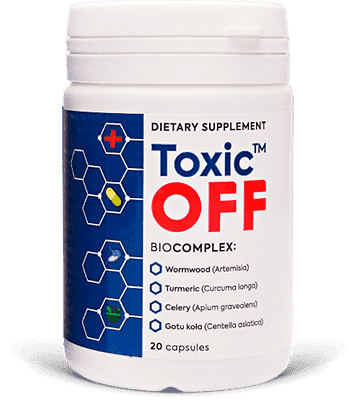
Toxic OFF – Anti Paracitic Product and help you to detox the body.
Destroys Parasite and Eliminate Toxins from the Human Body
Reduce Weight, Improve Digestion, and Normalizes Sleep
Strengthen the Immune System and Prevents Reinfection
Regenerate Cells in Damage Organs
Rejuvenates the Skin
100% Natural Ingredients
Exclusive 50% off – Only $ 49
Does Toxic OFF Really Work?
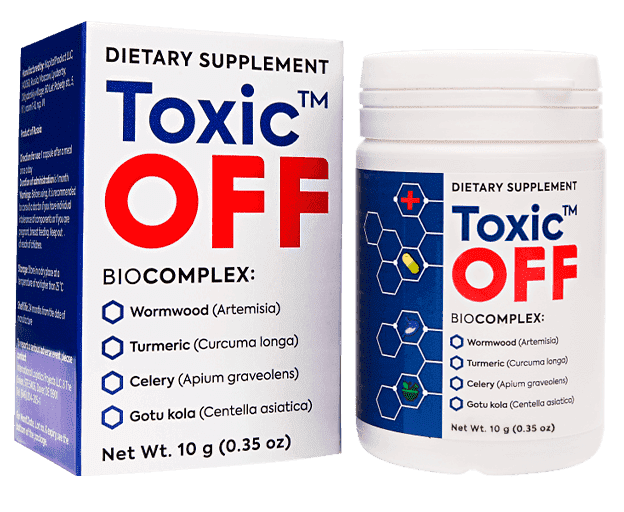
Toxic OFF is a dietary supplement promoted as a natural solution for detoxification and parasite cleansing. It combines well-known herbal ingredients such as wormwood, turmeric, emblica (amla), gotu kola, celery, and sometimes clove or black walnut. Each of these has a long history in traditional medicine, and some modern studies suggest they may support digestion, immunity, and detox pathways. For example, wormwood and clove are traditionally used for their antiparasitic properties, turmeric and emblica provide antioxidant and anti-inflammatory benefits, while celery supports digestion and hydration.
That said, it is important to separate marketing from scientific evidence. While the individual herbs in Toxic OFF have supportive research, the supplement itself has not been tested in large-scale clinical trials. This means there is no direct scientific proof that Toxic OFF can eliminate parasites or toxins in the way its advertisements often suggest. It may help improve digestion, support liver function, and enhance overall wellness, but results can vary widely from person to person.
In short, Toxic OFF may offer some natural health benefits, but it should not be viewed as a guaranteed cure for parasites or toxin buildup. For medical conditions, professional diagnosis and treatment remain essential.
In Every Capsule of Toxic OFF You Will Find Following Natural Ingredients
Wormwood Extract
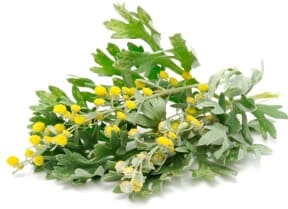
In the context of Toxic OFF, wormwood extract is often highlighted for its potential to help eliminate harmful organisms, support the body’s natural defense system, and promote a healthier gastrointestinal environment. By stimulating the production of digestive juices, it may also aid in better nutrient absorption and reduce bloating or discomfort.The extract contains biologically active substances which are believed to contribute to its antimicrobial, antiparasitic, and antioxidant effects.
Digestive Health Support
Wormwood has traditionally been used to stimulate appetite and improve digestion. Its bitter compounds help increase bile and gastric juice production, which may ease indigestion, bloating, and loss of appetite.
Anti-parasitic Properties
One of the best-known uses of wormwood is in treating intestinal worms. Studies have shown that wormwood extracts, often combined with other herbs, can be effective against certain parasites such as pinworms and roundworms.
Anti-inflammatory & Antioxidant Effects
Wormwood contains flavonoids and phenolic acids that act as antioxidants, helping reduce oxidative stress. Some research suggests wormwood may also reduce inflammation, which could be beneficial for conditions like arthritis
Potential Antimicrobial Activity
Wormwood extracts have demonstrated antimicrobial activity against certain bacteria and fungi in laboratory studies, making them potentially useful in supporting immune defense.
Turmeric
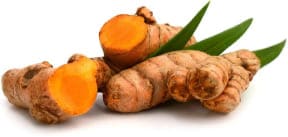
Turmeric, scientifically known as Curcuma longa, is a golden-yellow spice traditionally used in Asian cuisine and Ayurvedic medicine. In modern dietary supplements like Toxic OFF, turmeric is valued for its powerful bioactive compound curcumin, which is well known for its anti-inflammatory, antioxidant, and detoxifying properties
Powerful Anti-Inflammatory Properties
Curcumin, the main bioactive compound in turmeric, has been shown to help reduce chronic inflammation, which is linked to conditions like arthritis, metabolic syndrome, and even heart disease.
Strong Antioxidant Effect
Turmeric neutralizes free radicals and boosts the body’s own antioxidant enzymes, protecting cells from oxidative damage that contributes to aging and chronic diseases.
Supports Joint & Muscle Health
Clinical studies show turmeric supplements may ease joint pain and stiffness in osteoarthritis and rheumatoid arthritis, offering a natural alternative to some pain medications.
Improves Brain & Heart Function
Curcumin may increase levels of brain-derived neurotrophic factor (BDNF), a growth hormone that supports brain function and lowers risk of neurodegenerative diseases. It also helps improve endothelial function in blood vessels, which supports heart health.
Gothic cola
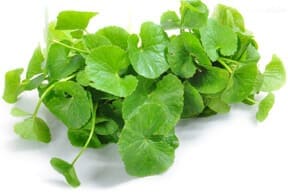
Gothic Cola is a medicinal herb scientifically known as Centella asiatica. It has been a cornerstone of Ayurvedic and traditional Chinese medicine for centuries. In modern supplements like Toxic OFF, Gothic cola is included for its detoxifying, healing, and rejuvenating effects on the body.
Boosts Cognitive Function
Gotu kola is often called “brain food.” Studies suggest it improves memory, focus, and nerve regeneration. It may even support recovery in stroke patients and reduce age-related cognitive decline
Supports Wound Healing & Skin Health
Compounds in Gotu kola (asiaticoside, madecassoside) stimulate collagen production. That helps heal wounds, burns, and reduce scars, while also supporting skin elasticity and anti-aging
Reduces Stress & Anxiety
Gotu kola has mild adaptogenic properties. Research shows it may calm the nervous system, reduce anxiety, and improve mood without strong sedative effects
Improves Circulation & Vein Health
Gotu kola strengthens blood vessels and improves circulation, making it useful for conditions like varicose veins, chronic venous insufficiency, and leg swelling
Emblica
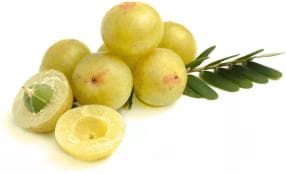
In the context of detox and cleansing, Emblica plays a vital role by boosting the immune system and supporting the body’s natural defense mechanisms. Its antioxidant activity helps neutralize harmful free radicals, protecting cells from damage and reducing oxidative stress. This makes it particularly valuable for individuals looking to maintain vitality and slow down the effects of aging.
Rich in Vitamin C & Antioxidants
Emblica is one of the richest natural sources of Vitamin C. This strengthens immunity, protects against oxidative stress, and slows cellular aging.
Supports Heart Health
Research shows Amla can reduce LDL (“bad” cholesterol), triglycerides, and blood pressure while boosting HDL (“good” cholesterol). This makes it a strong ally for cardiovascular health.
Improves Digestion & Gut Health
Traditionally used to balance digestion, Emblica supports healthy metabolism, relieves constipation, and promotes gut microbiome health due to its high fiber and tannins.
Enhances Skin & Hair Health
Its antioxidants and Vitamin C boost collagen, giving skin a youthful glow and reducing wrinkles. Amla oil is also famous for nourishing hair, reducing dandruff, and preventing premature greying.
Celery
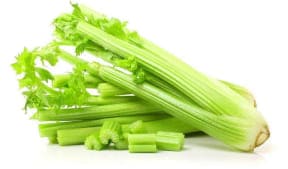
One of celery’s key benefits lies in its natural cleansing properties. It helps flush out excess fluids and toxins from the body, supporting kidney and liver function—two of the body’s most important detox organs. Its high fiber content also promotes smooth digestion and supports a healthier gut environment, which aligns with the cleansing goals of supplements like Toxic OFF.
Rich in Antioxidants
Celery contains flavonoids like apigenin and luteolin, which help protect cells from oxidative stress. These antioxidants may lower the risk of chronic diseases such as heart disease and cancer.
Supports Heart Health & Blood Pressure
Celery is a good source of phthalides, compounds that relax blood vessel walls and improve circulation. Studies show celery extract may help lower high blood pressure.
Aids Digestion & Hydration
With high water content (about 95%) and dietary fiber, celery supports digestion, prevents constipation, and keeps the body hydrated.
Anti-Inflammatory Properties
Celery seeds and extracts contain bioactive compounds that reduce inflammation markers in the body, which may benefit arthritis and other inflammatory conditions.
Clinical Studies Have Shown Impressive Results!

At the end of 2013, large-scale clinical studies of Toxic OFF capsules were conducted . In total, more than 100 people with various types of parasitic infections participated in the studies. All of them took Toxic OFF capsules for three consecutive weeks.
The results of the research surprised even doctors.
Toxic OFF helped 100% of the study participants get rid of parasites completely or substantially reduce their numbers (in cases of severe infections). There wasn’t a single person for whom the capsules didn’t give positive results. None of the medications used today (including chemical drugs) have proven to be as effective.
Detailed Information about the Effect of Toxic OFF
- Stimulates the secretion of digestive glands and biliary and urinary excretion
- Improves the functioning of the immune and antiparasitic system
- Eliminates pathogenic viruses, fungi and bacteria
-
Eliminates worms and other harmful organisms, as well as the products of their life cycle
- It has an anti-inflammatory effect
- Inhibits harmful decomposition and fermentation processes in the intestine, accelerates the elimination of toxins through the liver
- Eliminates allergy symptoms
- Regenerates the tissues of the stomach, gallbladder, liver and heals damage caused to intestinal mucus
What Happen in Body After Eliminate The Parasite
- Your immune system will improve considerably, and as a result, your chances of suffering from various types of diseases will decrease.
- The condition of your skin will noticeably improve, as will your hair and nails. It will have a rejuvenating effect on your physical appearance, and therefore, your physical attractiveness will also improve.
-
Your digestion, appetite, metabolism, and sleep will normalize. Your efficiency at work will also increase considerably.
- Allergic reactions will gradually disappear and you will feel better every day.
- You’ll have more vitality, your mood will improve, and you’ll be able to do more things without getting tired.
- Your life will be more intense and interesting. Your life expectancy will increase.
My Personal Experience with Toxic OFF
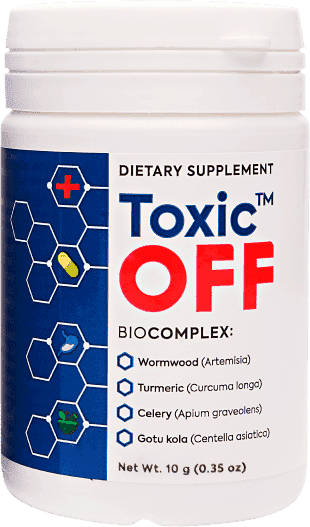
I recently decided to give Toxic OFF a try, mainly due to its claims of supporting detoxification and improving digestive health. As someone who’s always cautious about supplements, I wasn’t sure what to expect. However, after using it for a few weeks, I’ve noticed a few benefits.
First, the supplement is easy to incorporate into my daily routine. I didn’t need to make drastic changes to my diet or lifestyle, which was a huge plus. Within a short period, I began feeling lighter and less bloated, especially after meals. While the product claims to eliminate toxins and parasites, I can’t say for sure whether it fully delivered on those promises. But, I definitely felt my digestion improve, and I experienced less discomfort in my stomach.
Another benefit was the increase in my energy levels, which I didn’t expect. I felt more awake and alert in the mornings, which made a noticeable difference in my daily productivity.
That said, I still believe that Toxic OFF should be seen as a supplement to a healthy lifestyle, not a magic cure. Always consult with a healthcare professional before starting any new supplement.
Expert Opinion

Cristina Aguirre
phytotherapist, nutritional advisor
A modern person can’t hide from toxins, even if they don’t smoke or drink. Unfortunately, parasite eggs are found even in bottled water. The air within a 1,000-1,500 km radius of factories is full of carcinogens and heavy metals. Therefore, I recommend cleansing your body once or twice a year. As a herbalist, I recommend Toxic OFF, a natural product made from wormwood and turmeric. It binds and eliminates toxins at the cellular level, cleanses the liver, blood vessels, skin, and intestines, and also kills parasites. After this detox, you’ll look and feel like you’re after a good rest!

Julia Mendezábal
toxicologist
Did you know that the liver of a modern 30-year-old citizen resembles that of a 70-year-old alcoholic from the last century? Every day, it processes more than 12,000 poisons: city air, food additives, car exhaust fumes, and so on. Liver enzymes can’t handle such a load. To help eliminate toxins, take Toxic OFF capcules … This supplement will destroy all the bad things that have accumulated in your body over the years. You’ll see the results in the mirror! It’s been proven that after a course of Toxic OFF treatment, your face and body will look 5-7 years younger.
Customer Feedback
I feel much better. I feel like I’ve returned to my youth!
“I’m very happy with the Toxic OFF capsules. I wasn’t sure I had parasites, but just in case, I decided to take them. The results have been more than evident. I’ve started to feel great, as if I’ve returned to my youth. I feel very strong and energetic. My mood has also improved dramatically. I rarely get sick now. Everyone at work has had the flu, except me. I think even my physical appearance has changed; I look even more handsome.”
José Cánovas Rodríguez, 33 years old
He has completed a full course of treatment and is completely cured!
My son was diagnosed with Toxocara parasites and also found some Roundworms. The doctor prescribed some medication, but as soon as he started taking it, my son became ill: he was nauseous, vomited, and felt dizzy. We had to stop the treatment. We didn’t know what to do. We decided to try these capsules. He followed a full course of treatment and was completely cured. This was confirmed by the test results. Both types of parasites had completely disappeared from his body. We are 100% satisfied with the Toxic OFF capsules.
Ana Iniesta Arenas, 38 years old
A good product. It helped me get rid of the worms!
“A good product. It helped me get rid of the worms! I started eating less and feeling full with less food, my health improved, and even my sexual potency. What I liked most is that the effects of the capsules began to be noticed within a few days. Now I’m always in a good mood and perform very well at work, just like when I was young. Overall, I feel improvement throughout my entire body. I’ve already finished one course of treatment and am going to buy more to take occasionally as a preventative measure.”
Daniel Saz Burguillos, 44 years old
Pros & Cons of Toxic OFF
Pros of Toxic OFF
-
Natural Ingredients – Typically contains plant-based extracts like wormwood, turmeric, clove, and gotu kola.
-
Supports Parasite Cleansing – Promotes the body’s natural ability to remove intestinal parasites and toxins.
-
Skin Health Benefits – Users often report improvement in wart, papilloma, and skin blemish conditions.
-
Immune Boost – Herbal components may enhance the immune system’s defense against infections.
-
Non-invasive Approach – Taken orally as capsules, so no painful procedures or harsh chemicals.
-
Convenient Dosage – Easy-to-follow daily capsule routine.
Cons of Toxic OFF
-
Not FDA-Approved as Medicine – It is a dietary supplement, not a drug, so results may vary.
-
Limited Clinical Evidence – Scientific studies on effectiveness are limited compared to pharmaceutical options.
-
Possible Mild Side Effects – Some users may experience digestive upset (bloating, nausea) initially.
-
Not for Everyone – Not recommended for children, pregnant or breastfeeding women without medical advice.
-
Availability Issues – Often sold only online, risk of counterfeits from unauthorized sellers.
-
Takes Time – Full results usually require consistent use over several weeks.
Toxic OFF – FAQs
Q1. What is Toxic OFF?
Toxic OFF is a dietary supplement formulated with natural plant-based extracts. It is designed to support the body’s natural defense system in removing parasites and improving skin health, particularly against warts and papillomas.
Q2. How should I take Toxic OFF?
Take one capsule twice a day with a glass of water after meals. For best results, follow the recommended course of 30 days unless directed otherwise by your healthcare provider.
Q3. Who can use Toxic OFF?
Toxic OFF is suitable for adults over 18 years old. Pregnant or breastfeeding women, children, and people with chronic health conditions should consult a doctor before use.
Q4. What are the main ingredients?
The formula typically contains herbal and plant extracts known for their cleansing and immune-supportive properties (for example: turmeric, clove, wormwood, and gotu kola). Always check the label for the exact ingredient list.
Q5. Are there any side effects?
Toxic OFF is made from natural ingredients and is generally well-tolerated. Some people may experience mild digestive discomfort at the beginning of use. If you notice persistent or unusual side effects, stop taking it and seek medical advice.
Q6. How long does it take to see results?
Results vary depending on the individual. Some users report improvements in digestion, energy, and skin appearance within 2–3 weeks, but a full course (30 days or more) is usually recommended.
Q7. Can I use Toxic OFF with other medications?
If you are on prescription medicines, especially for liver, stomach, or immune conditions, it is best to consult your doctor before starting Toxic OFF.
Q8. How should I store the product?
Store in a cool, dry place at room temperature. Keep away from direct sunlight and out of the reach of children.
Q9. Is it a medicine?
No. Toxic OFF is a dietary supplement, not a pharmaceutical drug. It should not be used as a substitute for medical treatment.
Q10. Where can I buy Toxic OFF?
Toxic OFF can be purchased from the official website and selected authorized online retailers. Always make sure you buy from trusted sources to avoid counterfeits.
Toxic OFF Review
@2025 – Trustofferreview.com – All Right Reserved.
Please note that the information we provide is intended to supplement consultation with a qualified medical professional. We encourage you to inform your physician of changes you make to your lifestyle and discuss these with him or her. For questions or concerns about any medical conditions you may have, please contact your doctor.
Statements on this website have not been evaluated by the Food and Drug Administration. Products are not intended to diagnose, treat, cure, or prevent any disease. If you are pregnant, nursing, taking medication, or have a medical condition, consult your physician before using our products.
The website’s content and the product for sale are based upon the author’s opinion and are provided solely on an “AS IS” and “AS AVAILABLE” basis. You should do your own research and confirm the information with other sources when searching for information regarding health issues and always review the information carefully with your professional healthcare provider before using any of the protocols presented on this website and/or the product sold here.
Scientific References
- 1.Selkoe, D. J. & Hardy, J. The amyloid hypothesis of Alzheimer’s disease at 25 years. EMBO Mol Med (2016). [DOI] [PMC free article] [PubMed]
- 2.Harrison JR, Owen MJ. Alzheimer’s disease: the amyloid hypothesis on trial. Br J Psychiatry. 2016;208:1–3. doi: 10.1192/bjp.bp.115.167569. [DOI] [PubMed] [Google Scholar]
- 3.Kang J, et al. The precursor of Alzheimer’s disease amyloid A4 protein resembles a cell-surface receptor. Nature. 1987;325:733–736. doi: 10.1038/325733a0. [DOI] [PubMed] [Google Scholar]
- 4.Thinakaran G, Koo EH. Amyloid precursor protein trafficking, processing, and function. J Biol Chem. 2008;283:29615–29619. doi: 10.1074/jbc.R800019200. [DOI] [PMC free article] [PubMed] [Google Scholar]
- 5.Bibl M, et al. Blood-based neurochemical diagnosis of vascular dementia: a pilot study. J Neurochem. 2007;103:467–474. doi: 10.1111/j.1471-4159.2007.04763.x. [DOI] [PubMed] [Google Scholar]
- 6.Schoonenboom NS, et al. Amyloid beta 38, 40, and 42 species in cerebrospinal fluid: more of the same? Ann Neurol. 2005;58:139–142. doi: 10.1002/ana.20508. [DOI] [PubMed] [Google Scholar]
- 7.Roychaudhuri R, Yang M, Hoshi MM, Teplow DB. Amyloid beta-protein assembly and Alzheimer disease. J Biol Chem. 2009;284:4749–4753. doi: 10.1074/jbc.R800036200. [DOI] [PMC free article] [PubMed] [Google Scholar]
- 8.Hardy J, Selkoe DJ. The amyloid hypothesis of Alzheimer’s disease: progress and problems on the road to therapeutics. Science. 2002;297:353–356. doi: 10.1126/science.1072994. [DOI] [PubMed] [Google Scholar]
- 9.Selkoe DJ. Soluble oligomers of the amyloid beta-protein impair synaptic plasticity and behavior. Behavioural brain research. 2008;192:106–113. doi: 10.1016/j.bbr.2008.02.016. [DOI] [PMC free article] [PubMed] [Google Scholar]
- 10.Hamley IW. The amyloid beta peptide: a chemist’s perspective. Role in Alzheimer’s and fibrillization. Chemical reviews. 2012;112:5147–5192. doi: 10.1021/cr3000994. [DOI] [PubMed] [Google Scholar]
- 11.Glabe CG. Structural classification of toxic amyloid oligomers. J Biol Chem. 2008;283:29639–29643. doi: 10.1074/jbc.R800016200. [DOI] [PMC free article] [PubMed] [Google Scholar]
- 12.Haass C, Selkoe DJ. Soluble protein oligomers in neurodegeneration: lessons from the Alzheimer’s amyloid beta-peptide. Nat Rev Mol Cell Biol. 2007;8:101–112. doi: 10.1038/nrm2101. [DOI] [PubMed] [Google Scholar]
- 13.Chimon S, et al. Evidence of fibril-like beta-sheet structures in a neurotoxic amyloid intermediate of Alzheimer’s beta-amyloid. Nat Struct Mol Biol. 2007;14:1157–1164. doi: 10.1038/nsmb1345. [DOI] [PubMed] [Google Scholar]
- 14.Liang C, et al. Kinetic intermediates in amyloid assembly. J Am Chem Soc. 2014;136:15146–15149. doi: 10.1021/ja508621b. [DOI] [PubMed] [Google Scholar]
- 15.Parthasarathy S, et al. Structural Insight into an Alzheimer’s Brain-Derived Spherical Assembly of Amyloid beta by Solid-State NMR. J Am Chem Soc. 2015;137:6480–6483. doi: 10.1021/jacs.5b03373. [DOI] [PMC free article] [PubMed] [Google Scholar]
- 16.Chandra B, et al. Curcumin Dictates Divergent Fates for the Central Salt Bridges in Amyloid-beta40 and Amyloid-beta42. Biophys J. 2017;112:1597–1608. doi: 10.1016/j.bpj.2017.02.043. [DOI] [PMC free article] [PubMed] [Google Scholar]
- 17.Biancalana M, Koide S. Molecular mechanism of Thioflavin-T binding to amyloid fibrils. Biochimica et biophysica acta. 2010;1804:1405–1412. doi: 10.1016/j.bbapap.2010.04.001. [DOI] [PMC free article] [PubMed] [Google Scholar]
- 18.Chen YR, Glabe CG. Distinct early folding and aggregation properties of Alzheimer amyloid-beta peptides Abeta40 and Abeta42: stable trimer or tetramer formation by Abeta42. J Biol Chem. 2006;281:24414–24422. doi: 10.1074/jbc.M602363200. [DOI] [PubMed] [Google Scholar]
- 19.Bitan G, et al. Amyloid beta -protein (Abeta) assembly: Abeta 40 and Abeta 42 oligomerize through distinct pathways. Proc Natl Acad Sci USA. 2003;100:330–335. doi: 10.1073/pnas.222681699. [DOI] [PMC free article] [PubMed] [Google Scholar]
- 20.Bernstein SL, et al. Amyloid-beta protein oligomerization and the importance of tetramers and dodecamers in the aetiology of Alzheimer’s disease. Nature chemistry. 2009;1:326–331. doi: 10.1038/nchem.247. [DOI] [PMC free article] [PubMed] [Google Scholar]
- 21.Tycko R. Molecular structure of amyloid fibrils: insights from solid-state NMR. Q Rev Biophys. 2006;39:1–55. doi: 10.1017/S0033583506004173. [DOI] [PubMed] [Google Scholar]
- 22.Torok M, et al. Structural and dynamic features of Alzheimer’s Abeta peptide in amyloid fibrils studied by site-directed spin labeling. J Biol Chem. 2002;277:40810–40815. doi: 10.1074/jbc.M205659200. [DOI] [PubMed] [Google Scholar]
- 23.Williams AD, et al. Mapping abeta amyloid fibril secondary structure using scanning proline mutagenesis. J Mol Biol. 2004;335:833–842. doi: 10.1016/j.jmb.2003.11.008. [DOI] [PubMed] [Google Scholar]
- 24.Gremer L, et al. Fibril structure of amyloid-beta(1-42) by cryo-electron microscopy. Science. 2017;358:116–119. doi: 10.1126/science.aao2825. [DOI] [PMC free article] [PubMed] [Google Scholar]
- 25.Dahlgren KN, et al. Oligomeric and fibrillar species of amyloid-beta peptides differentially affect neuronal viability. The Journal of biological chemistry. 2002;277:32046–32053. doi: 10.1074/jbc.M201750200. [DOI] [PubMed] [Google Scholar]
- 26.McGowan E, et al. Abeta42 is essential for parenchymal and vascular amyloid deposition in mice. Neuron. 2005;47:191–199. doi: 10.1016/j.neuron.2005.06.030. [DOI] [PMC free article] [PubMed] [Google Scholar]
- 27.Seubert P, et al. Isolation and quantification of soluble Alzheimer’s beta-peptide from biological fluids. Nature. 1992;359:325–327. doi: 10.1038/359325a0. [DOI] [PubMed] [Google Scholar]
- 28.Ayton S, Lei P, Bush AI. Metallostasis in Alzheimer’s disease. Free Radic Biol Med. 2013;62:76–89. doi: 10.1016/j.freeradbiomed.2012.10.558. [DOI] [PubMed] [Google Scholar]
- 29.Lovell MA, Robertson JD, Teesdale WJ, Campbell JL, Markesbery WR. Copper, iron and zinc in Alzheimer’s disease senile plaques. J Neurol Sci. 1998;158:47–52. doi: 10.1016/S0022-510X(98)00092-6. [DOI] [PubMed] [Google Scholar]
- 30.Frederickson CJ, Koh JY, Bush AI. The neurobiology of zinc in health and disease. Nat Rev Neurosci. 2005;6:449–462. doi: 10.1038/nrn1671. [DOI] [PubMed] [Google Scholar]
- 31.Bush AI. The metallobiology of Alzheimer’s disease. Trends Neurosci. 2003;26:207–214. doi: 10.1016/S0166-2236(03)00067-5. [DOI] [PubMed] [Google Scholar]
- 32.Zatta P, Drago D, Bolognin S, Sensi SL. Alzheimer’s disease, metal ions and metal homeostatic therapy. Trends Pharmacol Sci. 2009;30:346–355. doi: 10.1016/j.tips.2009.05.002. [DOI] [PubMed] [Google Scholar]
- 33.Chen WT, Liao YH, Yu HM, Cheng IH, Chen YR. Distinct effects of Zn2+, Cu2+, Fe3+, and Al3+ on amyloid-beta stability, oligomerization, and aggregation: amyloid-beta destabilization promotes annular protofibril formation. J Biol Chem. 2011;286:9646–9656. doi: 10.1074/jbc.M110.177246. [DOI] [PMC free article] [PubMed] [Google Scholar]
- 34.Tougu V, Tiiman A, Palumaa P. Interactions of Zn(II) and Cu(II) ions with Alzheimer’s amyloid-beta peptide. Metal ion binding, contribution to fibrillization and toxicity. Metallomics. 2011;3:250–261. doi: 10.1039/c0mt00073f. [DOI] [PubMed] [Google Scholar]
- 35.Solomonov I, et al. Zn2+ -Abeta40 complexes form metastable quasi-spherical oligomers that are cytotoxic to cultured hippocampal neurons. J Biol Chem. 2012;287:20555–20564. doi: 10.1074/jbc.M112.344036. [DOI] [PMC free article] [PubMed] [Google Scholar]
- 36.Chen WT, et al. Amyloid-beta (Abeta) D7H mutation increases oligomeric Abeta42 and alters properties of Abeta-zinc/copper assemblies. PloS one. 2012;7:e35807. doi: 10.1371/journal.pone.0035807. [DOI] [PMC free article] [PubMed] [Google Scholar]
- 37.Minicozzi V, et al. Identifying the minimal copper- and zinc-binding site sequence in amyloid-beta peptides. J Biol Chem. 2008;283:10784–10792. doi: 10.1074/jbc.M707109200. [DOI] [PubMed] [Google Scholar]
- 38.Nair NG, Perry G, Smith MA, Reddy VP. NMR studies of zinc, copper, and iron binding to histidine, the principal metal ion complexing site of amyloid-beta peptide. J Alzheimers Dis. 2010;20:57–66. doi: 10.3233/JAD-2010-1346. [DOI] [PubMed] [Google Scholar]
- 39.Danielsson J, Pierattelli R, Banci L, Graslund A. High-resolution NMR studies of the zinc-binding site of the Alzheimer’s amyloid beta-peptide. FEBS J. 2007;274:46–59. doi: 10.1111/j.1742-4658.2006.05563.x. [DOI] [PubMed] [Google Scholar]
- 40.Syme CD, Viles JH. Solution 1H NMR investigation of Zn2+ and Cd2+ binding to amyloid-beta peptide (Abeta) of Alzheimer’s disease. Biochim Biophys Acta. 2006;1764:246–256. doi: 10.1016/j.bbapap.2005.09.012. [DOI] [PubMed] [Google Scholar]
- 41.Klug GM, et al. Beta-amyloid protein oligomers induced by metal ions and acid pH are distinct from those generated by slow spontaneous ageing at neutral pH. Eur J Biochem. 2003;270:4282–4293. doi: 10.1046/j.1432-1033.2003.03815.x. [DOI] [PubMed] [Google Scholar]
- 42.Garai K, Sahoo B, Kaushalya SK, Desai R, Maiti S. Zinc lowers amyloid-beta toxicity by selectively precipitating aggregation intermediates. Biochemistry. 2007;46:10655–10663. doi: 10.1021/bi700798b. [DOI] [PubMed] [Google Scholar]
- 43.Ayton S, Lei P, Bush AI. Biometals and their therapeutic implications in Alzheimer’s disease. Neurotherapeutics. 2015;12:109–120. doi: 10.1007/s13311-014-0312-z. [DOI] [PMC free article] [PubMed] [Google Scholar]
- 44.Bush AI. The metal theory of Alzheimer’s disease. J Alzheimers Dis. 2013;33(Suppl 1):S277–281. doi: 10.3233/JAD-2012-129011. [DOI] [PubMed] [Google Scholar]
- 45.Faux NG, et al. PBT2 rapidly improves cognition in Alzheimer’s Disease: additional phase II analyses. Journal of Alzheimer’s disease: JAD. 2010;20:509–516. doi: 10.3233/JAD-2010-1390. [DOI] [PubMed] [Google Scholar]
- 46.Lannfelt L, et al. Safety, efficacy, and biomarker findings of PBT2 in targeting Abeta as a modifying therapy for Alzheimer’s disease: a phase IIa, double-blind, randomised, placebo-controlled trial. Lancet Neurol. 2008;7:779–786. doi: 10.1016/S1474-4422(08)70167-4. [DOI] [PubMed] [Google Scholar]
- 47.Chromy BA, et al. Self-assembly of Abeta(1-42) into globular neurotoxins. Biochemistry. 2003;42:12749–12760. doi: 10.1021/bi030029q. [DOI] [PubMed] [Google Scholar]
- 48.Reinke AA, Seh HY, Gestwicki JE. A chemical screening approach reveals that indole fluorescence is quenched by pre-fibrillar but not fibrillar amyloid-beta. Bioorg Med Chem Lett. 2009;19:4952–4957. doi: 10.1016/j.bmcl.2009.07.082. [DOI] [PMC free article] [PubMed] [Google Scholar]
- 49.Chen RJ, Chang WW, Lin YC, Cheng PL, Chen YR. Alzheimer’s amyloid-beta oligomers rescue cellular prion protein induced tau reduction via the Fyn pathway. ACS chemical neuroscience. 2013;4:1287–1296. doi: 10.1021/cn400085q. [DOI] [PMC free article] [PubMed] [Google Scholar]
- 50.Brand L, Gohlke JR. Fluorescence probes for structure. Annu Rev Biochem. 1972;41:843–868. doi: 10.1146/annurev.bi.41.070172.004211. [DOI] [PubMed] [Google Scholar]
- 51.LeVine H., 3rd 4,4(′)-Dianilino-1,1(′)-binaphthyl-5,5(′)-disulfonate: report on non-beta-sheet conformers of Alzheimer’s peptide beta(1-40) Arch Biochem Biophys. 2002;404:106–115. doi: 10.1016/S0003-9861(02)00246-1. [DOI] [PubMed] [Google Scholar]
- 52.Kayed R, et al. Common structure of soluble amyloid oligomers implies common mechanism of pathogenesis. Science. 2003;300:486–489. doi: 10.1126/science.1079469. [DOI] [PubMed] [Google Scholar]
- 53.Kayed R, et al. Fibril specific, conformation dependent antibodies recognize a generic epitope common to amyloid fibrils and fibrillar oligomers that is absent in prefibrillar oligomers. Mol Neurodegener. 2007;2:18. doi: 10.1186/1750-1326-2-18. [DOI] [PMC free article] [PubMed] [Google Scholar]
- 54.Wu JW, et al. Fibrillar oligomers nucleate the oligomerization of monomeric amyloid beta but do not seed fibril formation. The Journal of biological chemistry. 2010;285:6071–6079. doi: 10.1074/jbc.M109.069542. [DOI] [PMC free article] [PubMed] [Google Scholar]
- 55.Saito H, Ando I, Ramamoorthy A. Chemical shift tensor – the heart of NMR: Insights into biological aspects of proteins. Progress in nuclear magnetic resonance spectroscopy. 2010;57:181–228. doi: 10.1016/j.pnmrs.2010.04.005. [DOI] [PMC free article] [PubMed] [Google Scholar]
- 56.Wishart DS. Advances in metabolite identification. Bioanalysis. 2011;3:1769–1782. doi: 10.4155/bio.11.155. [DOI] [PubMed] [Google Scholar]
- 57.Wishart DS. Interpreting protein chemical shift data. Progress in nuclear magnetic resonance spectroscopy. 2011;58:62–87. doi: 10.1016/j.pnmrs.2010.07.004. [DOI] [PubMed] [Google Scholar]
- 58.Bertini I, Gonnelli L, Luchinat C, Mao J, Nesi A. A new structural model of Abeta40 fibrils. J Am Chem Soc. 2011;133:16013–16022. doi: 10.1021/ja2035859. [DOI] [PubMed] [Google Scholar]
- 59.Adamo AM, Oteiza PI. Zinc deficiency and neurodevelopment: the case of neurons. Biofactors. 2010;36:117–124. doi: 10.1002/biof.91. [DOI] [PMC free article] [PubMed] [Google Scholar]
- 60.Kim YH, Kim EY, Gwag BJ, Sohn S, Koh JY. Zinc-induced cortical neuronal death with features of apoptosis and necrosis: mediation by free radicals. Neuroscience. 1999;89:175–182. doi: 10.1016/S0306-4522(98)00313-3. [DOI] [PubMed] [Google Scholar]
- 61.Lal R, Lin H, Quist AP. Amyloid beta ion channel: 3D structure and relevance to amyloid channel paradigm. Biochim Biophys Acta. 2007;1768:1966–1975. doi: 10.1016/j.bbamem.2007.04.021. [DOI] [PMC free article] [PubMed] [Google Scholar]
- 62.Lambert MP, et al. Diffusible, nonfibrillar ligands derived from Abeta1-42 are potent central nervous system neurotoxins. Proceedings of the National Academy of Sciences of the United States of America. 1998;95:6448–6453. doi: 10.1073/pnas.95.11.6448. [DOI] [PMC free article] [PubMed] [Google Scholar]
- 63.Wang HW, et al. Soluble oligomers of beta amyloid (1-42) inhibit long-term potentiation but not long-term depression in rat dentate gyrus. Brain research. 2002;924:133–140. doi: 10.1016/S0006-8993(01)03058-X. [DOI] [PubMed] [Google Scholar]
- 64.Cullen WK, Suh YH, Anwyl R, Rowan MJ. Block of LTP in rat hippocampus in vivo by beta-amyloid precursor protein fragments. Neuroreport. 1997;8:3213–3217. doi: 10.1097/00001756-199710200-00006. [DOI] [PubMed] [Google Scholar]
- 65.Lee JY, Cole TB, Palmiter RD, Suh SW, Koh JY. Contribution by synaptic zinc to the gender-disparate plaque formation in human Swedish mutant APP transgenic mice. Proc Natl Acad Sci USA. 2002;99:7705–7710. doi: 10.1073/pnas.092034699. [DOI] [PMC free article] [PubMed] [Google Scholar]
- 66.Yu WH, Lukiw WJ, Bergeron C, Niznik HB, Fraser PE. Metallothionein III is reduced in Alzheimer’s disease. Brain Res. 2001;894:37–45. doi: 10.1016/S0006-8993(00)03196-6. [DOI] [PubMed] [Google Scholar]
- 67.Xie XM, Smart TG. A physiological role for endogenous zinc in rat hippocampal synaptic neurotransmission. Nature. 1991;349:521–524. doi: 10.1038/349521a0. [DOI] [PubMed] [Google Scholar]
- 68.Lovell MA, Xie C, Markesbery WR. Protection against amyloid beta peptide toxicity by zinc. Brain research. 1999;823:88–95. doi: 10.1016/S0006-8993(99)01114-2. [DOI] [PubMed] [Google Scholar]
- 69.Bishop GM, Robinson SR. The amyloid paradox: amyloid-beta-metal complexes can be neurotoxic and neuroprotective. Brain Pathol. 2004;14:448–452. doi: 10.1111/j.1750-3639.2004.tb00089.x. [DOI] [PMC free article] [PubMed] [Google Scholar]
- 70.Cuajungco MP, et al. Evidence that the beta-amyloid plaques of Alzheimer’s disease represent the redox-silencing and entombment of abeta by zinc. J Biol Chem. 2000;275:19439–19442. doi: 10.1074/jbc.C000165200. [DOI] [PubMed] [Google Scholar]
- 71.Petkova AT, et al. A structural model for Alzheimer’s beta -amyloid fibrils based on experimental constraints from solid state NMR. Proc Natl Acad Sci USA. 2002;99:16742–16747. doi: 10.1073/pnas.262663499. [DOI] [PMC free article] [PubMed] [Google Scholar]
- 72.Mithu VS, et al. Zn(++) binding disrupts the Asp(23)-Lys(28) salt bridge without altering the hairpin-shaped cross-beta Structure of Abeta(42) amyloid aggregates. Biophys J. 2011;101:2825–2832. doi: 10.1016/j.bpj.2011.10.023. [DOI] [PMC free article] [PubMed] [Google Scholar]
- 73.Ehrnhoefer DE, et al. EGCG redirects amyloidogenic polypeptides into unstructured, off-pathway oligomers. Nat Struct Mol Biol. 2008;15:558–566. doi: 10.1038/nsmb.1437. [DOI] [PubMed] [Google Scholar]
- 74.Freir DB, et al. Interaction between prion protein and toxic amyloid beta assemblies can be therapeutically targeted at multiple sites. Nature communications. 2011;2:336. doi: 10.1038/ncomms1341. [DOI] [PMC free article] [PubMed] [Google Scholar]
- 75.Lauren J, Gimbel DA, Nygaard HB, Gilbert JW, Strittmatter SM. Cellular prion protein mediates impairment of synaptic plasticity by amyloid-beta oligomers. Nature. 2009;457:1128–1132. doi: 10.1038/nature07761. [DOI] [PMC free article] [PubMed] [Google Scholar]
- 76.De Felice FG, et al. Alzheimer’s disease-type neuronal tau hyperphosphorylation induced by A beta oligomers. Neurobiol Aging. 2008;29:1334–1347. doi: 10.1016/j.neurobiolaging.2007.02.029. [DOI] [PMC free article] [PubMed] [Google Scholar]
- 77.Minicozzi V, et al. Identifying the Minimal Copper- and Zinc-binding Site Sequence in Amyloid-{beta} Peptides. J. Biol. Chem. 2008;283:10784–10792. doi: 10.1074/jbc.M707109200. [DOI] [PubMed] [Google Scholar]
- 78.Syme CD, Viles JH. Solution 1H NMR investigation of Zn2+ and Cd2+ binding to amyloid-beta peptide (A[beta]) of Alzheimer’s disease. Biochimica et Biophysica Acta (BBA) – Proteins & Proteomics. 2006;1764:246–256. doi: 10.1016/j.bbapap.2005.09.012. [DOI] [PubMed] [Google Scholar]
- 79.Danielsson J, Pierattelli R, Banci L, Graslund A. High-resolution NMR studies of the zinc-binding site of the Alzheimer’s amyloid beta peptide. FEBS Journal. 2007;274:46–59. doi: 10.1111/j.1742-4658.2006.05563.x. [DOI] [PubMed] [Google Scholar]
- 80.Stellato F, et al. Metal binding in amyloid β-peptides shows intra- and inter-peptide coordination modes. European Biophysics Journal. 2006;35:340–351. doi: 10.1007/s00249-005-0041-7. [DOI] [PubMed] [Google Scholar]
- 81.Jonsson T, et al. A mutation in APP protects against Alzheimer’s disease and age-related cognitive decline. Nature. 2012;488:96–99. doi: 10.1038/nature11283. [DOI] [PubMed] [Google Scholar]
- 82.Di Fede G, et al. A recessive mutation in the APP gene with dominant-negative effect on amyloidogenesis. Science. 2009;323:1473–1477. doi: 10.1126/science.1168979. [DOI] [PMC free article] [PubMed] [Google Scholar]
- 83.Giaccone G, et al. Neuropathology of the recessive A673V APP mutation: Alzheimer disease with distinctive features. Acta Neuropathol. 2010;120:803–812. doi: 10.1007/s00401-010-0747-1. [DOI] [PubMed] [Google Scholar]
- 84.Lin TW, et al. Alzheimer’s amyloid-beta A2T variant and its N-terminal peptides inhibit amyloid-beta fibrillization and rescue the induced cytotoxicity. PLoS One. 2017;12:e0174561. doi: 10.1371/journal.pone.0174561. [DOI] [PMC free article] [PubMed] [Google Scholar]
- 85.Basi GS, et al. Structural correlates of antibodies associated with acute reversal of amyloid beta-related behavioral deficits in a mouse model of Alzheimer disease. The Journal of biological chemistry. 2010;285:3417–3427. doi: 10.1074/jbc.M109.045187. [DOI] [PMC free article] [PubMed] [Google Scholar]
- 86.Deshpande A, Kawai H, Metherate R, Glabe CG, Busciglio J. A role for synaptic zinc in activity-dependent Abeta oligomer formation and accumulation at excitatory synapses. J Neurosci. 2009;29:4004–4015. doi: 10.1523/JNEUROSCI.5980-08.2009. [DOI] [PMC free article] [PubMed] [Google Scholar]
- 87.Takeda A, et al. Amyloid beta-mediated Zn2+ influx into dentate granule cells transiently induces a short-term cognitive deficit. PloS one. 2014;9:e115923. doi: 10.1371/journal.pone.0115923. [DOI] [PMC free article] [PubMed] [Google Scholar]
- 88.Takeda A, et al. Extracellular Zn2+ Is Essential for Amyloid beta1-42-Induced Cognitive Decline in the Normal Brain and Its Rescue. The Journal of neuroscience: the official journal of the Society for Neuroscience. 2017;37:7253–7262. doi: 10.1523/JNEUROSCI.0954-17.2017. [DOI] [PMC free article] [PubMed] [Google Scholar]
- 89.Sevigny J, et al. The antibody aducanumab reduces Abeta plaques in Alzheimer’s disease. Nature. 2016;537:50–56. doi: 10.1038/nature19323. [DOI] [PubMed] [Google Scholar]
- 90.Burdick D, et al. Assembly and aggregation properties of synthetic Alzheimer’s A4/beta amyloid peptide analogs. J Biol Chem. 1992;267:546–554. [PubMed] [Google Scholar]
- 91.Edelhoch H. Spectroscopic determination of tryptophan and tyrosine in proteins. Biochemistry. 1967;6:1948–1954. doi: 10.1021/bi00859a010. [DOI] [PubMed] [Google Scholar]
- 92.Chang YJ, Chen YR. The coexistence of an equal amount of Alzheimer’s amyloid-beta 40 and 42 forms structurally stable and toxic oligomers through a distinct pathway. The FEBS journal. 2014;281:2674–2687. doi: 10.1111/febs.12813. [DOI] [PubMed] [Google Scholar]
- 93.Liao YH, Chen YR. A novel method for expression and purification of authentic amyloid-beta with and without (15)N labels. Protein expression and purification. 2015;113:63–71. doi: 10.1016/j.pep.2015.05.002. [DOI] [PubMed] [Google Scholar]
- 94.Tsai KJ, Tsai YC, Shen CK. G-CSF rescues the memory impairment of animal models of Alzheimer’s disease. J Exp Med. 2007;204:1273–1280. doi: 10.1084/jem.20062481. [DOI] [PMC free article] [PubMed] [Google Scholar]
- 95.Morroni F, Sita G, Tarozzi A, Rimondini R, Hrelia P. Early effects of Abeta1-42 oligomers injection in mice: Involvement of PI3K/Akt/GSK3 and MAPK/ERK1/2 pathways. Behavioural brain research. 2016;314:106–115. doi: 10.1016/j.bbr.2016.08.002. [DOI] [PubMed] [Google Scholar]
- 96.Chen JH, Ke KF, Lu JH, Qiu YH, Peng YP. Protection of TGF-beta1 against neuroinflammation and neurodegeneration in Abeta1-42-induced Alzheimer’s disease model rats. PloS one. 2015;10:e0116549. doi: 10.1371/journal.pone.0116549. [DOI] [PMC free article] [PubMed] [Google Scholar]
- 97.Tsukuda K, et al. Cognitive deficit in amyloid-beta-injected mice was improved by pretreatment with a low dose of telmisartan partly because of peroxisome proliferator-activated receptor-gamma activation. Hypertension. 2009;54:782–787. doi: 10.1161/HYPERTENSIONAHA.109.136879. [DOI] [PubMed] [Google Scholar]
- 98.Cascella R, et al. Extracellular chaperones prevent Abeta42-induced toxicity in rat brains. Biochimica et biophysica acta. 2013;1832:1217–1226. doi: 10.1016/j.bbadis.2013.04.012. [DOI] [PubMed] [Google Scholar]